


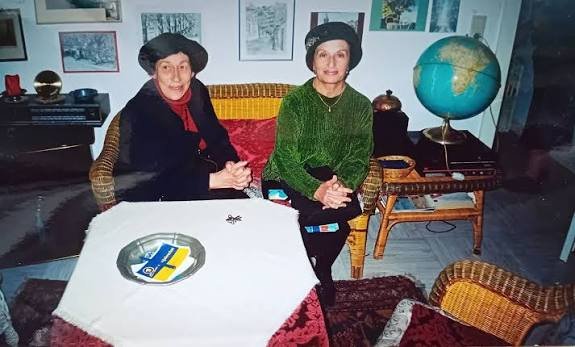
Many people search for Gabi Goslar because they want to learn about one of the children whose life was deeply affected by the Holocaust. Although she is not as widely known as Anne Frank, her story is equally meaningful. Gabi Goslar experienced fear, loss, and hardship during World War II, yet she survived and later helped keep the memory of Holocaust victims alive. Her life reminds us that history is made up of many personal stories, each carrying important lessons for future generations.
Gabi Goslar became known because of her family’s close connection with Anne Frank and the difficult years they spent during the Nazi occupation of the Netherlands. Unlike many public figures, Gabi chose a quiet life after the war. Even so, historians, educators, and readers continue to learn about her experiences because they offer a deeper understanding of the Holocaust beyond what many people already know. Her journey is one of courage, hope, and the strength to rebuild life after unimaginable suffering.
| Information | Details |
|---|---|
| Full Name | Gabi Goslar |
| Known For | Holocaust survivor and connection to Anne Frank |
| Nationality | Dutch-born, later lived in Israel |
| Religion | Jewish |
| Historical Significance | Survivor of Bergen-Belsen concentration camp |
| Famous Connection | Friend of the Frank family through her sister Hannah Goslar |
“Remembering the stories of Holocaust survivors helps ensure that history is never forgotten.”
Gabi Goslar’s Early Life and Family Background
Gabi Goslar was born into a Jewish family that lived in Amsterdam before World War II changed everything. During her early childhood, life was peaceful, and her family enjoyed a normal routine like many other families living in the Netherlands. Her father, Hans Goslar, worked as a respected government official before the Nazi occupation forced Jewish families to face discrimination, fear, and uncertainty. As anti-Jewish laws increased, everyday freedoms slowly disappeared, affecting education, work, and family life.
One of the most important parts of Gabi Goslar’s early life was growing up with her older sister, Hannah Goslar, who became one of Anne Frank’s closest childhood friends. Because of this friendship, the Goslar family remained connected to the Frank family during some of history’s darkest years. Their childhood memories, once filled with school, games, and family gatherings, were replaced by the harsh realities of war. These experiences shaped Gabi’s life and later became an important part of Holocaust history.
| Topic | Details |
|---|---|
| Birthplace | Amsterdam, Netherlands |
| Family | Hans Goslar and Ruth Goslar |
| Sibling | Hannah Goslar |
| Childhood | Grew up before World War II in Amsterdam |
| Major Challenge | Nazi occupation and persecution of Jewish families |
Gabi Goslar and Anne Frank: A Connection That Changed History
The story of Gabi Goslar cannot be told without mentioning Anne Frank and Gabi’s older sister, Hannah Goslar. Before World War II, both families lived in Amsterdam, where Jewish children attended school, played together, and dreamed about the future. Anne Frank and Hannah were close friends, while Gabi was much younger. Although Gabi was not as close to Anne because of the age difference, she grew up knowing the Frank family during those peaceful years before the Nazi occupation changed everything.
When Germany occupied the Netherlands in 1940, life changed rapidly for Jewish families. New laws prevented Jewish children from attending regular schools, visiting public places, or living freely. Eventually, both the Frank and Goslar families were forced into hiding or deported. Anne Frank later went into hiding with her family, while the Goslar family was arrested and sent to concentration camps. Their separate journeys became part of one of the most heartbreaking chapters in world history.
| Year | Event |
|---|---|
| 1940 | Germany occupied the Netherlands. |
| 1942 | Anne Frank’s family went into hiding. |
| 1943 | The Goslar family was arrested and deported. |
| 1944 | Anne Frank and Hannah Goslar briefly met at Bergen-Belsen. |
| 1945 | Bergen-Belsen was liberated by British forces. |
An Important Historical Fact
One of the most emotional moments in Holocaust history happened inside Bergen-Belsen concentration camp, where Hannah Goslar managed to meet Anne Frank through a fence. Anne was weak, sick, and suffering from hunger, while Hannah tried to pass food to her. Historians believe this was one of Anne Frank’s final meetings with someone she knew before her death in early 1945. Although Gabi was much younger, these events became part of her family’s lifelong memories.
“The Holocaust was not just one story. It was millions of individual stories of courage, survival, and loss.”
Gabi Goslar’s Life After World War II
After the Second World War ended, Gabi Goslar and the surviving members of her family faced the difficult task of rebuilding their lives. Like many Holocaust survivors, they had lost loved ones, homes, and the feeling of safety that had once been part of everyday life. Recovery was not only physical but also emotional. Starting over after such painful experiences required enormous courage, patience, and hope.
The Goslar family eventually settled in Israel, where Gabi continued her education and built a quiet family life. Unlike many people connected with famous historical figures, she stayed away from media attention and chose privacy. Even so, her family’s experiences became an important source of education for historians and Holocaust museums. Their story helps future generations understand the real human cost of hatred and discrimination.
Case Study: Rebuilding After the Holocaust
Many Holocaust survivors shared similar challenges after liberation:
- Recovering from severe illness and starvation.
- Finding surviving relatives.
- Starting education again.
- Building new careers and families.
- Living with painful memories while moving forward.
Gabi Goslar’s life reflects this journey of resilience. Although history often remembers famous names, survivors like Gabi represent thousands of people who quietly rebuilt their lives after unimaginable hardship
Why Gabi Goslar Still Inspires People Today
Today, Gabi Goslar is remembered because her life teaches lessons that remain important decades after World War II. Her experiences remind people that prejudice and discrimination can have devastating consequences if left unchecked. Schools, museums, and educational organizations continue sharing stories like hers to encourage tolerance, respect, and understanding among younger generations.
Her story also shows that survival is only part of the journey. Building a new life after tragedy takes incredible strength. While Gabi lived away from the spotlight, her family’s experiences continue to inspire readers who want to understand history through the lives of ordinary people rather than only through famous historical figures.
Lessons We Can Learn
- Kindness matters during difficult times.
- History should never be forgotten.
- Tolerance protects future generations.
- Education helps prevent hatred.
- Hope can exist even after great loss.
Interesting Fact
According to the United States Holocaust Memorial Museum, approximately six million Jewish people were murdered during the Holocaust. Every survivor’s story adds another important piece to understanding this tragedy and preserving its history.
Lesser-Known Facts About Gabi Goslar
Although many people know the name Anne Frank, far fewer know about Gabi Goslar. This is mainly because she preferred to live a private life instead of becoming a public figure. Most of what people know about her comes through Holocaust education, historical records, and the memories shared by her family, especially her sister Hannah Goslar.
Another interesting fact is that many websites confuse Gabi Goslar with her older sister because Hannah became more widely known through interviews and documentaries about Anne Frank. Understanding the difference helps readers appreciate that every member of the Goslar family experienced the Holocaust differently, even though they shared many of the same hardships.
Interesting Facts
- Gabi Goslar was much younger than Anne Frank.
- She survived Bergen-Belsen concentration camp.
- Her family later settled in Israel.
- She preferred a quiet and private life.
- Her family’s story remains part of Holocaust education today.
Final Thoughts on Gabi Goslar
The story of Gabi Goslar is about much more than surviving one of history’s darkest periods. It is a story of resilience, hope, family, and the determination to move forward despite unimaginable suffering. Although she never became a celebrity, her experiences continue to educate people around the world about the importance of remembering the Holocaust and honoring those who lived through it.
As each generation becomes further removed from World War II, preserving the memories of survivors like Gabi Goslar becomes even more important. Their stories remind us that peace, kindness, and respect should never be taken for granted. Learning about people like Gabi helps ensure that future generations understand both the horrors of the past and the value of protecting human rights today
Frequently Asked Questions (FAQs)
1. Who is Gabi Goslar?
Gabi Goslar is a Holocaust survivor known for her family’s connection to Anne Frank and for surviving Bergen-Belsen concentration camp during World War II.
2. How was Gabi Goslar connected to Anne Frank?
Gabi’s older sister, Hannah Goslar, was one of Anne Frank’s closest childhood friends in Amsterdam before the Holocaust.
3. Did Gabi Goslar survive the Holocaust?
Yes. She survived Bergen-Belsen concentration camp and later rebuilt her life after the war.
4. Where did Gabi Goslar live after World War II?
Following the war, Gabi Goslar and her surviving family eventually settled in Israel, where they built a new life.
5. Why is Gabi Goslar important today?
Her story helps preserve Holocaust history and teaches valuable lessons about courage, resilience, tolerance, and the importance of remembering the past.
Read more :Elaine Starchuk: The Untold Story of Her Life, Career, and Success
