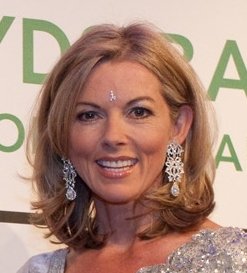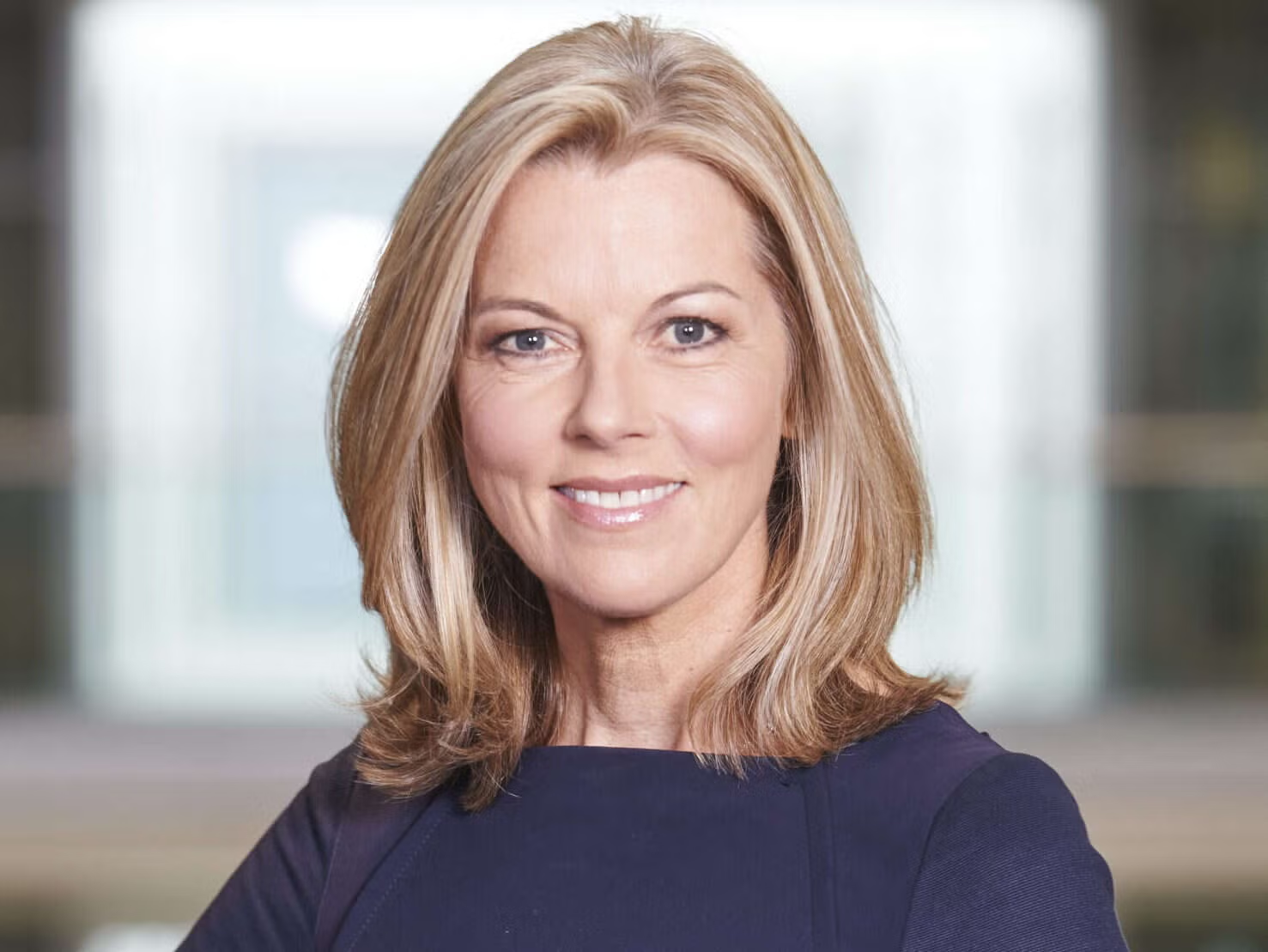
Mary Nightingale has not publicly confirmed a serious illness.
Online concern appears linked mainly to changes viewers noticed in her voice.
This distinction matters. A changed voice is an observation. It is not a medical diagnosis.
At a Glance
| Detail | Verified information |
|---|---|
| Full name | Mary Louise Nightingale |
| Born | May 26, 1963 |
| Birthplace | Scarborough, England |
| Profession | Journalist and television presenter |
| Education | BA in English, Bedford College |
| Graduation year | 1985 |
| Known for | Presenting the ITV Evening News |
| Husband | Paul Fenwick |
| Marriage year | 2000 |
| Children | Two |
| Major honours | TRIC Newscaster of the Year, 2002 and 2004 |
| Confirmed illness | None publicly disclosed |
| Current medical status | Private and unconfirmed |
Does Mary Nightingale Have an Illness?
There is no reliable public confirmation of a serious illness. Mary Nightingale has not announced a specific medical diagnosis. ITV has not published such an announcement either.
The search phrase “Mary Nightingale illness” appears driven by viewer concern. Some people have commented on changes in her voice. Others have tried diagnosing those changes online.
However, those comments do not constitute medical evidence. They come mainly from forums, social posts, and recycled celebrity articles. None can establish her health condition.
Several websites claim Nightingale suffered vocal strain or chronic overuse. Some even say medical tests ruled out cancer. Yet these articles provide no interview, medical statement, or named representative confirming those details. Therefore, those claims should not be presented as facts.
Evidence Check
| Online claim | Public evidence | Responsible conclusion |
|---|---|---|
| She has a serious illness | No verified announcement found | Unconfirmed |
| She developed vocal strain | No direct statement identified | Possible, but unverified |
| Doctors ruled out cancer | No credible primary source identified | Unsupported claim |
| She has vocal-cord damage | No medical disclosure available | Unconfirmed |
| Viewers noticed voice changes | Public online discussions exist | Observation, not diagnosis |
| She continues broadcasting | ITV appearances support this | Publicly observable |
The safest answer remains simple: Mary Nightingale has not publicly disclosed a diagnosed illness.
Why Did Viewers Become Concerned?
Concern grew after some viewers noticed vocal difficulty during broadcasts. Online discussions described her voice as strained, shaky, or hoarse. These descriptions reflect personal impressions only.
A voice can change for many reasons. Temporary causes include infections, allergies, dryness, reflux, and overuse. The NHS laryngitis guidance lists viral infections, allergies, reflux, and repeated coughing among possible causes.
This general guidance should not be applied directly to Nightingale. Only her medical team could identify the cause. Her symptoms, examinations, and treatment remain private.
The difference is crucial:
- “Her voice sounded different” describes an observation.
- “She has a voice disorder” makes an unsupported diagnosis.
- “She confirmed an illness” would require a direct statement.
At present, only the first statement can be made cautiously.
Why Online Illness Stories Are Unreliable
Many celebrity pages copy claims from one another. Repetition then creates false authority. A claim appearing across ten websites may still trace back to one unsupported article.
The Nightingale story shows this problem clearly. Some pages contain detailed medical narratives. They mention consultations, tests, stress, and recovery. Yet they do not link those details to Nightingale herself, ITV, or a named doctor.
That missing source trail is a warning sign. Genuine medical reporting normally identifies its evidence. It may cite a personal interview, authorized statement, or employer announcement. Without that foundation, detailed storytelling can become invented biography.
A reliable article should separate three evidence levels:
- Confirmed fact: supported by Nightingale, ITV, or official records.
- Public observation: something viewers saw or heard.
- Speculation: an explanation offered without medical evidence.
Most “Mary Nightingale illness” articles blur those categories. This article does not.
Who Is Mary Nightingale?
Mary Louise Nightingale is a respected British news presenter. She was born in Scarborough in 1963. Her career has covered business news, travel television, sport, and national news.
She studied English at Bedford College. The institution later became part of Royal Holloway. The university’s official alumni profile records her 1985 English degree.
Her early broadcasting work included financial programming and regional television. She later presented London Tonight and London Today. Travel viewers also knew her from Wish You Were Here…?
Nightingale became a leading ITV Evening News presenter in 2001. Her measured delivery helped establish her national profile. Royal Holloway also records her TRIC Newscaster of the Year wins in 2002 and 2004.
A Career Built Around Trust
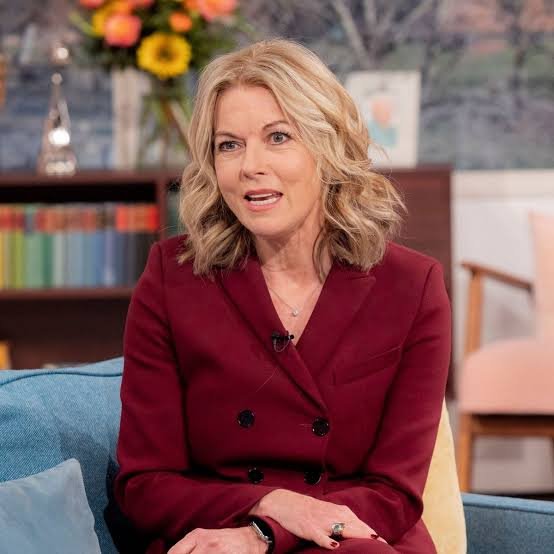
News presenting requires more than reading prepared words. Anchors must respond quickly to breaking developments. They also guide interviews and manage changing information.
Nightingale has covered elections, royal events, international crises, and major national stories. Her long ITV career reflects consistency in a competitive industry.
In 2015, she wrote about ageing and women in television. Her Guardian article examined unequal expectations placed on female presenters. It also showed her willingness to discuss industry pressure publicly.
That article addressed workplace representation. It did not disclose a serious illness.
Personal Life and Privacy
Nightingale married television producer Paul Fenwick in 2000. They have two children. She has discussed family life occasionally, but keeps many details outside public coverage.
Her medical information deserves the same boundary. Public figures can choose whether to disclose health conditions. Silence does not prove illness, recovery, or concealment.
Her estimated net worth also remains unconfirmed. Online figures lack verified contracts, financial records, or personal confirmation. Consequently, any precise total would be speculative.
Can Voice Changes Reveal a Diagnosis?
No. A broadcast clip cannot confirm a medical condition. Even doctors normally require history, examination, and appropriate testing.
The NHS advises medical assessment when voice changes persist. Its current guidance also stresses that such symptoms are common. Many conditions can cause them.
That advice applies generally. It does not indicate that Nightingale has any listed condition.
Assigning cancer, neurological illness, or vocal-cord disease from television footage is irresponsible. It can distress the person involved. It may also spread damaging misinformation.
Final Verdict
No confirmed evidence shows Mary Nightingale has a serious illness. Viewers have discussed apparent changes in her voice. However, she has not publicly identified a medical cause.
Claims about cancer tests, vocal damage, or a specific disorder remain unsupported. Unless Nightingale or ITV releases reliable information, her health status should be described as private.
Her verified story remains her broadcasting career. She has spent decades delivering major news to British audiences. That record deserves greater attention than an unproven diagnosis.
Read more:Paris Hilton Net Worth: How Her Fame Became a Business System